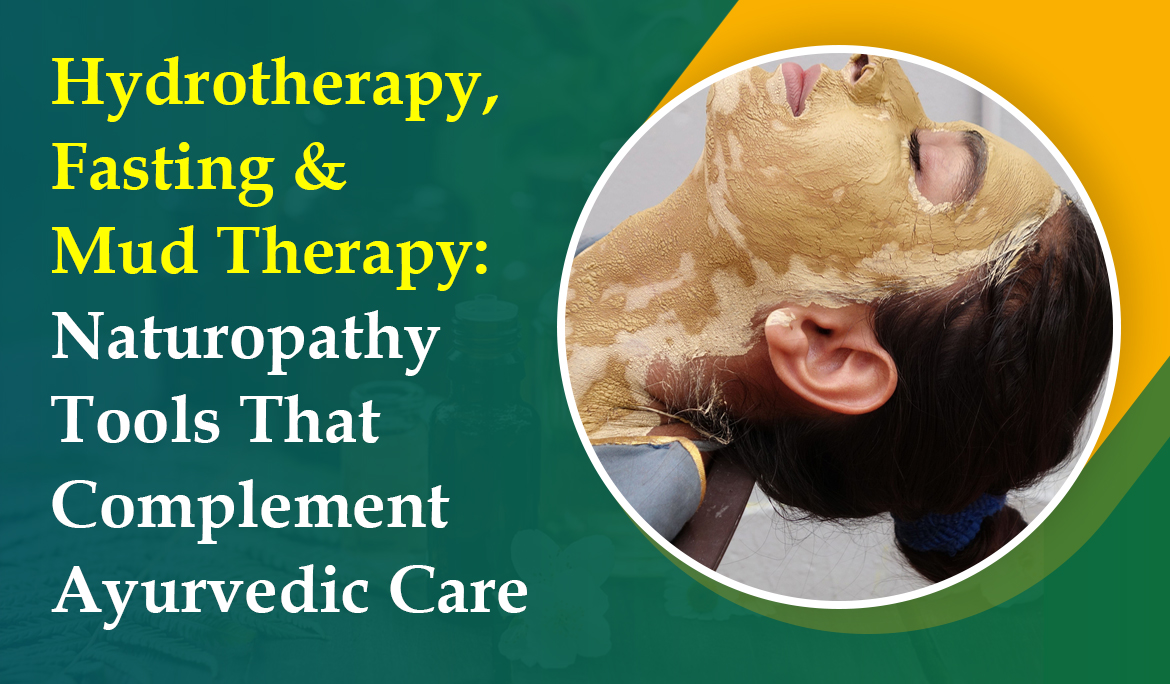
Many people exploring Ayurveda reach a point where home remedies stop showing progress. You might have tried oils, gentle stretches, or dietary changes and found the relief fades after a few days. What you often need next is structure, something grounded in both care and evidence, free from commercial push. Hydrotherapy treatment and Mud therapy benefits are central to many natural care systems, yet they are rarely explained clearly for patients. This guide helps you understand how they fit alongside fasting, what outcomes are realistic, and how to find support you can trust.
How Does Hydrotherapy Treatment Support Ayurveda Without Overpromising?
Warm water eases tension, reduces pressure on joints, and helps muscles relearn comfort. NHS physiotherapy units describe therapeutic pools set between 32 and 35°C, where guided exercises are carried out to restore mobility. When stiffness or fear of pain have limited movement for months, even small steps feel like progress. A clinician may begin with slow walking or supported rotation, later using the resistance of water to build strength safely. These are natural healing therapies that are gentle, practical, and respectful of the body’s limits.
Before you start:
- Ask for a pool programme that includes a transition plan back to land exercises.
- Clarify how progress will be tracked, not just felt.
- Discuss any cardiovascular or skin conditions with your practitioner first.
Hydrotherapy treatment builds confidence by making movement possible again, especially when combined with proper rest and follow-up care.
Where Do Mud Therapy Benefits Make A Real Difference?
Mud has been used in both Ayurveda and naturopathy for centuries, but recent research gives us clearer insight into its effects. A 2024 review of ten clinical trials involving 560 people with knee osteoarthritis found that local mud applications reduced pain and improved daily function by a measurable margin of 0.36 on the standard pain index. Traditional mud packs are applied warm and left for a specific duration under supervision. In another study of 60 participants, mud therapy applied over 10 days improved pain and flexibility for up to three months afterward.
For most patients, Mud therapy benefits are strongest in flare-ups of osteoarthritis, hand stiffness, or back tension caused by muscular guarding. It complements Ayurveda’s principle of balancing warmth and stillness but must be adapted individually. Those with open wounds, infections, or heat sensitivity should be screened first.
Mud therapy benefits do not replace physiotherapy, sleep regulation, or emotional care. They simply make these easier to sustain by softening the body’s resistance.
Can Fasting Sit Alongside Hydrotherapy Treatment In Real Life?
Fasting, when done thoughtfully, can help stabilise metabolism and inflammation. These are both relevant in chronic pain. A 2025 review in the International Journal of Obesity reported average reductions of 4.4 mmHg systolic and 2.0 mmHg diastolic blood pressure across 15 trials on intermittent fasting, with better insulin control over time. These are modest but meaningful changes. When metabolic pressure reduces, joint inflammation and morning stiffness can ease as well.
Time-restricted eating, such as a 10 hour eating window, suits many people better than complete fasting. Combine it with balanced protein and hydration, especially on days with water-based exercise. Those with kidney or endocrine disorders should only fast under medical supervision.
Used with discretion, fasting becomes part of holistic healing therapies, supporting clarity and steady energy rather than depletion. Hydrotherapy treatment and fasting can work together when meals and recovery are sensibly timed. It is about rhythm, not deprivation.
What Do Mud Therapy Benefits Look Like Week To Week?
People who use supervised mud therapy often notice subtle but consistent change. Easier mornings, steadier steps, and fewer pain flares are common. When guided well, Mud therapy benefits extend beyond the physical. The warmth and quiet time often bring emotional balance, a calmer nervous system, and renewed self trust.
A practical weekly plan might look like this:
- Two guided hydro sessions for mobility and circulation.
- One supervised mud application for inflammation control.
- Regular reviews of nutrition, rest, and stress with Natural healing therapies specialists.
As you recover stability, hydrotherapy treatment should taper off gradually, allowing the body to adapt back to land-based routines. This prevents over reliance on aquatic exercise while keeping the gains intact.
How Do One Choose Safe Holistic Healing Therapies?
Integrated care works best when Ayurveda, physiotherapy, and nutrition share the same focus. Function, comfort, and prevention. A panchkarma centre in Dwarka might offer seasonal detox and dietary support, while a healing touch centre for ayurveda & yoga could provide breathing and mindful movement sessions.
If kidney health is part of your concern, consult a specialist before starting herbal supplements and discuss the best ayurvedic medicine for kidney stones suited to your case. Good practitioners explain ingredients clearly and coordinate with your doctor to avoid interactions.
Look for transparency, documented methods, and regular reassessments. Barts Health NHS provides helpful information on hydrotherapy environments, noting 33 to 36°C as optimal water temperature and pacing advice for long term conditions.
Natural healing therapies that combine warmth, mindful rest, and gradual motion prepare the body to respond deeply to Ayurvedic care. Over time, holistic healing therapies bring both physical and emotional alignment. A quiet return to balance rather than a dramatic transformation.
Hydrotherapy treatment restores motion without fear. Mud therapy benefits reduce strain so that practice feels achievable again. Together, these approaches make healing less about struggle and more about steady, guided recovery, where progress happens gently, under care that listens.